Cavalier King Charles Spaniel Sports and Jobs: Putting the Breed's Instincts to Work
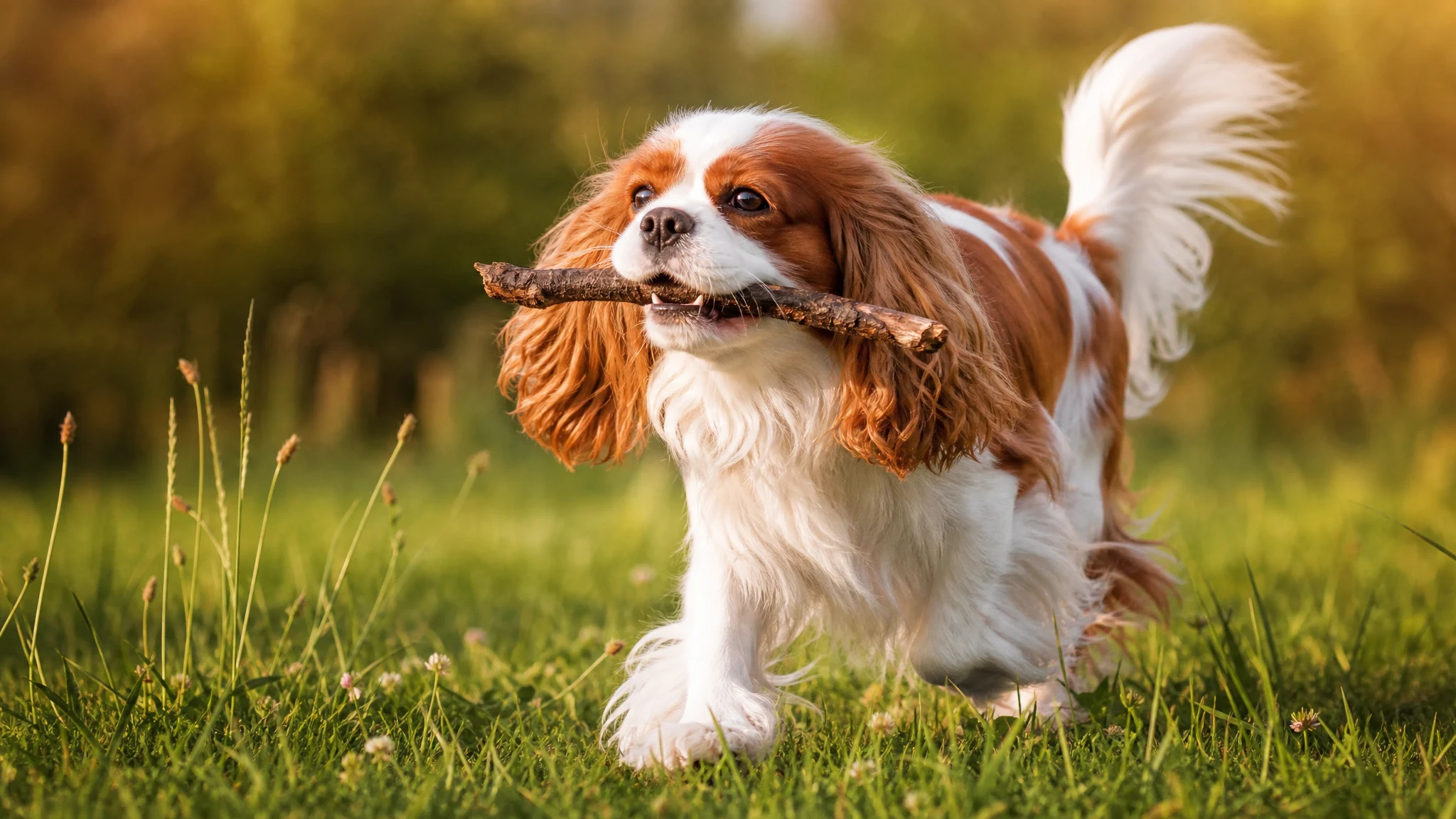
General training information. Every dog is an individual; for health or behavior concerns, see your veterinarian.
If you are looking into Cavalier King Charles Spaniel sports, start by being honest about what this breed is. It is not a retriever or a herder, and it was never bred for a hard day's labor. But a Cavalier can still enjoy having something to do, and many owners find that a little structured activity makes for a happier, better-mannered dog.
This guide walks you through choosing an activity, preparing your dog, and taking the first steps. It also covers the mistakes that trip up new handlers.
Is the Cavalier a Working Dog?
Not in the traditional sense. The American Cavalier King Charles Spaniel Club, the AKC parent club, describes the breed's roots as a companion and lap warmer to the aristocracy, sometimes called the Comforter Spaniel. Its history page does not list hunting as an original purpose.
So when people search for a Cavalier King Charles Spaniel working dog role, the honest answer is that the breed's "job" has always been closeness to people. That is worth remembering when you pick an activity. The best fit is usually one that lets your dog work with you, not one that demands hard physical labor.
Opinions differ a little on this. The Westminster Kennel Club profile says the breed does well in obedience and agility. Orvis, in its breed page, says Cavaliers are mostly companion animals and not strong candidates for sporting dog training. Both can be true. A dog can enjoy a pastime without being a top competitor.
Why Some Activities Suit the Breed
The Cavalier King Charles Spaniel Club, USA describes the breed as an affectionate, playful, intelligent little dog that is active and sporting, and one that needs regular exercise. Westminster rates trainability at 4 out of 5 and describes the breed as eager to please and learn. PetMD says positive reinforcement and short, fun sessions work well, and Orvis says Cavaliers learn quickly when sessions feel like play.
Put those together and the pattern is clear. Activities built on teamwork, short bursts of learning and plenty of praise are a natural match. Individual dogs vary, so treat these ratings as a starting point and watch your own dog.
Activities Worth Considering
Obedience
Obedience is about precise, cheerful teamwork: heeling, sits, downs, stays and recalls. Westminster names it as an area where the breed does well. It is also the easiest to practice at home, which makes it a good first step. Our complete Cavalier training guide covers the foundation skills that obedience builds on.
Agility
Agility sends a dog through a course of obstacles while the handler gives directions. Westminster lists it alongside obedience as a good fit. It suits a small, quick, people-focused dog, but it also asks for body awareness and confidence. Take it slowly and let your dog enjoy each obstacle before you ask for speed.
Companion and Social Roles
The CKCSC, USA says Cavaliers get along well with children, cats and other dogs. Westminster rates the breed 5 out of 5 for both children and other dogs. That sociable nature is why some owners explore good-manners programs and similar community activities. Ask your local clubs or training schools what they offer, and check each program's requirements with the organizer.
Everyday Jobs at Home
Not every job needs a ribbon. Fetching a toy, putting toys in a basket, learning the names of objects, or following a simple scent trail in the yard all give your dog a purpose. These games cost nothing and fit any schedule.
What You Will Need
- A well-fitted flat collar or a comfortable harness, plus a standard leash. Avoid shock, prong or choke collars.
- Small, soft treats your dog loves, cut into tiny pieces.
- A favorite toy for play rewards.
- A quiet space at home for short practice sessions.
- Fresh water and a way to keep your dog cool and comfortable.
- A notebook to track what works and how long your dog stays interested.
- A veterinarian's go-ahead before you start anything physical.
Step-by-Step: Getting Started
Step 1: Talk to Your Veterinarian First
Orvis says the breed is prone to heart disease. For that reason, ask your veterinarian whether your dog is ready for more exercise before you sign up for any class. Your vet can also tell you what is safe for your dog's age and condition. Health questions belong with them, not with an article or an instructor.
Health screening details for the breed are best checked with the American Cavalier King Charles Spaniel Club and your breeder, since they set the recommendations for the breed.
Step 2: Cover the Everyday Basics
Before any sport, your dog should know a few things: come when called, sit, lie down, wait at doors, and walk on a loose leash. Practice in short sessions. PetMD recommends short, fun sessions, and that matches what most trainers see with this breed.
Orvis notes that Cavaliers can be stubborn and slow to housebreak, so do not expect every skill to click right away. Patience and a good treat go a long way.
Step 3: Build a Strong Reward System
Decide what your dog finds most rewarding. Some dogs work for food, some for a game of tug, and some for happy praise. Use the best rewards for the hardest moments, such as distractions or new places. Reward the behavior you want within a second or two so your dog connects the two.
Step 4: Add Distractions Gradually
Sports happen around other dogs, noises and new smells. Start practicing in the living room, then move to the yard, then a quiet park, and so on. If your dog stops responding, make the task easier and try again. Your dog is not being defiant. It is telling you the step was too big.
Step 5: Keep Exercise Steady, Not Extreme
The CKCSC, USA says Cavaliers need regular exercise. PetMD suggests two walks of 20 to 30 minutes a day, and Orvis says leisurely walks alone are not quite enough. A mix of walks and a few minutes of focused play or training is a reasonable approach. Your veterinarian can help you adjust that for your dog.
Step 6: Find a Local Club or Class
Look for a training club or school near you that runs beginner obedience or agility classes. Ask to watch a class first. You want an instructor who uses treats, toys and praise, and who is happy to let a small dog take its time. Walk away from any place that relies on pain, fear or force. Humane, reward-based training is what the American Veterinary Society of Animal Behavior supports.
The AKC lists events and rules for its sports on its own website, so check there for current requirements, including registration and eligibility. The parent club, the American Cavalier King Charles Spaniel Club, can also point you toward breed-friendly activities and members who compete.
Step 7: Start With a Beginner Class or a Fun Match
Many clubs offer informal practice events or beginner classes where nothing is on the line. Go for the experience. Bring treats, keep your first visit short, and end on a success. If your dog seems worried, step back and watch from a distance for a while.
Step 8: Track Progress and Adjust
Write down what your dog did well and where it lost interest. If sessions are getting longer than your dog's attention, shorten them. If your dog seems bored, change the game. If it seems tired or reluctant, take a break and mention it to your veterinarian if it continues.
Tips for Success
- Keep it brief. Several short sessions a day usually beat one long one.
- Make it feel like play. Orvis notes Cavaliers learn quickly when training feels like a game.
- Use their social side. This is a people-oriented breed, so your praise and presence are powerful rewards.
- Watch the weather. Heat and humidity can make exercise uncomfortable. Ask your vet about safe limits.
- Celebrate small steps. A calm sit in a new place is a real win.
Common Mistakes to Avoid
- Expecting a sporting dog. Orvis cautions that the breed is mostly a companion. Aim for fun and teamwork, not perfection.
- Skipping the vet check. With heart disease mentioned as a breed concern, get professional advice before ramping up activity.
- Rushing into a crowd. A busy class can overwhelm a young or shy dog. Build up slowly.
- Training too long. A bored dog learns little. Stop while your dog still wants more.
- Using harsh methods. Corrections and intimidation damage trust with a dog that lives to please you.
- Leaving them out of the family. PetMD says the breed needs human company and should not be left alone for long periods. Training time is also bonding time.
- Comparing your dog to others. Individual dogs vary. Measure progress against your own dog's last session.
What Results to Expect
With steady, reward-based practice, many Cavaliers may become more focused, more confident around distractions, and more fun to live with. Some owners find that regular sessions help channel a dog's energy and strengthen the bond between them. Results vary widely from dog to dog, and no activity can promise a specific outcome.
If your dog loves a class, you might later try more advanced work. If not, a daily game of fetch and a few new tricks is still a perfectly good "job" for a breed that was always meant to be good company.
Final Thoughts
The Cavalier's history is one of companionship, so the best activities are the ones you share. Start with the basics, check in with your veterinarian, find a kind instructor, and let your dog show you what it enjoys. The point is not a title. It is a happy dog that likes working with you.